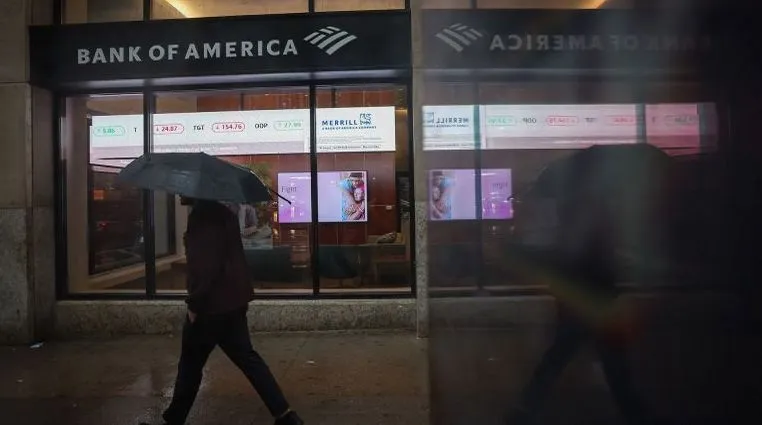
Bank of America is facing a staggering 1.2 billion dollar fine after the U.S. Treasury Department accused the financial giant of failing to stop money laundering and violating international sanctions laws. According to officials, the nation’s second largest bank ignored critical national security risks, including networks moving money for Chinese interests and illicit financial flows crossing the southwest border. Treasury Secretary Scott Bessent emphasized that no institution is too large to be held accountable, warning that such systemic failures expose the entire American financial network to dangerous criminal elements.
The investigation revealed deep flaws in how the bank handled red flags, specifically regarding customers linked to narcotics trafficking. Despite warnings from its own compliance staff, Bank of America allegedly failed to report over 5 billion dollars in suspicious activity out of trillions in annual transactions. A specific technical glitch in the bank’s screening software meant that even when names and birthdays matched official government sanctions lists, the system didn’t mark them as high priority, potentially undermining U.S. efforts against terrorism and drug smuggling in regions like Iran.
In response, Bank of America stated it has spent billions on technology and hired thousands of specialists to fight financial crime, noting that it is currently working with regulators to resolve these issues. While the bank admits it lacked proper safeguards, spokespeople highlighted their continued cooperation with law enforcement on hundreds of thousands of yearly reports. The massive penalty will hit the company’s bottom line immediately, resulting in a non tax deductible charge that analysts expect will shave about 17 cents per share off its third quarter net income.
While some see the fine as a necessary deterrent, critics argue it is merely a cost of doing business for a firm with such vast revenues. Dennis Kelleher of Better Markets suggested that without personal prosecutions or firings of top executives, corporate behavior rarely changes permanently. This penalty marks one of the largest ever issued by FinCEN and includes a historic 750 million dollar payment to the Office of the Comptroller of the Currency, signaling an aggressive stance by the current administration toward banking oversight despite recent tensions between Washington and Wall Street over political debanking practices.