The UK polling industry is once again entering a period of performative soul searching following revelations that a firm allegedly failed to disclose that several pre election polls were commissioned by Reform. It is a familiar ritual in British politics. After a major electoral event, pollsters gather to express regret over their catastrophic misreads and pledge to learn the right lessons. Yet despite repeated failures during the Brexit vote and various general elections, the industry continues to fail upwards, maintaining an inexplicable grip on our political consciousness while frequently producing wildly inaccurate forecasts.
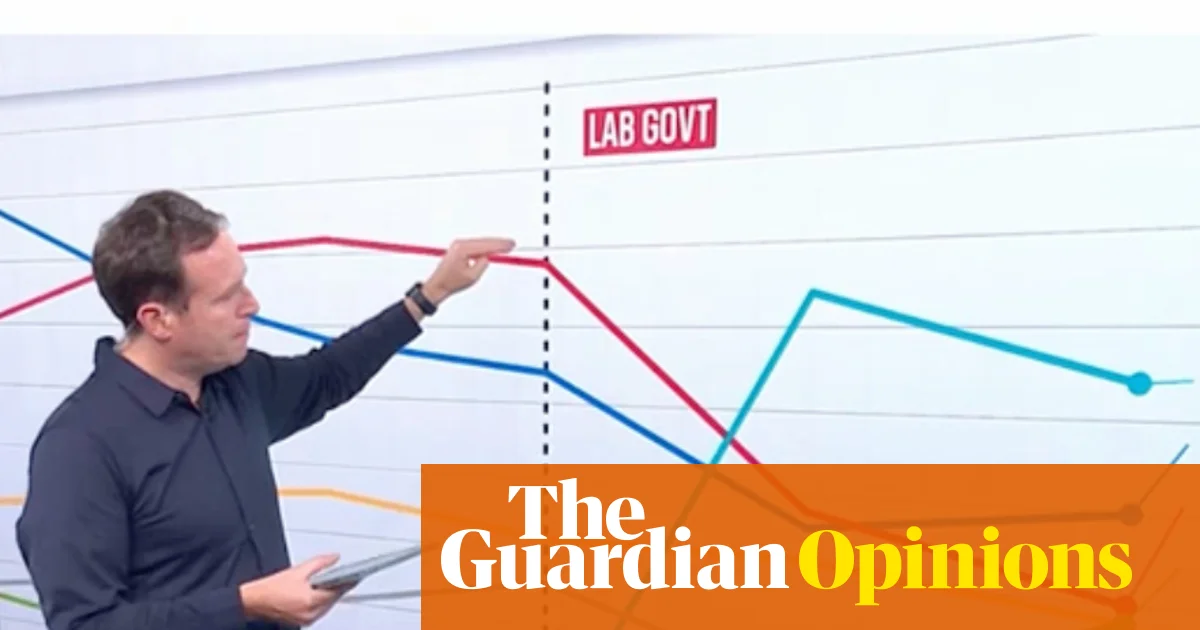
The issue extends beyond simple inaccuracy or occasional lapses in transparency. Modern polling has evolved into a bloated ecosystem where quantity far outweighs quality. With dozens of member organizations now flooding the zone, we are seeing ten different surveys released in a single fortnight. Politics is increasingly reduced to a series of interactive graphics and absurdly named voter blocs, turning the democratic process into something resembling a sports betting app. When policymakers and journalists treat these fluctuating lines on a graph as gospel, they stop focusing on governing humans and start focusing on mastering the data.
This shift serves specific commercial interests rather than the public good. Many pollsters operate less like impartial scientists and more like market researchers for hire, selling results that satisfy the desires of corporate lobbyists or political operatives. Because newsrooms are chronically underfunded and hungry for high impact content, they eagerly amplify these numbers regardless of their volatility. This creates a dangerous feedback loop where polls don’t just reflect public opinion but actively shape it, potentially influencing everything from diplomatic strategy to internal party leadership battles based on temporary whims.
Ultimately, the obsession with constant polling encourages us to view governance as a perpetual game of margins rather than a pursuit of meaningful change. While proponents argue that polls provide essential information for tactical voters or policy testing, the sheer volume of current output suggests otherwise. By treating fickle opinions as sacred tablets, both the messengers and the consumers have fallen into a trap where winning becomes the end goal instead of the means toward improving people’s lives. Until we stop viewing politics through the lens of a rolling market ticker, we remain hostages to an industry that prizes marketability over truth.